pecialized treatments that support skin and tissue recovery, improving quality,
appearance and functionality before and after medical or aesthetic procedures. This discipline combines
manual techniques, advanced technology and scientific knowledge to optimize surgical results
and accelerate recovery.
Dermatofunctional rehabilitation is fundamental to ensure optimal recovery after aesthetic
or reconstructive surgeries. It includes lymphatic drainage, specialized massages, high-tech
equipment therapies and personalized protocols that prevent complications, reduce inflammation and improve
scar tissue quality.
Accelerates post-surgical recovery
Prevents complications and improves results
Reduces inflammation, pain and bruising
Improves skin quality and elasticity
Frequently Asked Questions
Essential information about dermatofunctional rehabilitation and its benefits.
Ideally, you should start 48-72 hours after surgery, once your surgeon authorizes it.
However, it's never too late to begin. Even patients with old surgeries can benefit
from these treatments to improve scars, fibrosis or aesthetic results.
The number of sessions varies depending on the type of surgery and your progress. Generally
10-20 sessions are recommended in the initial phase (first 3 months). More extensive surgeries like tummy tuck
or liposuction may require more sessions. Your therapist will evaluate your progress and adjust the plan.
Initial Post-Operative Rehabilitation: Early Recovery
C
are focused on the early stages after surgery, helping to reduce inflammation, pain,
bruising and safely accelerate the recovery process. This phase is crucial for preventing
complications and optimizing the final results of your surgery.
During the first weeks after surgery, the body is in an intensive healing process.
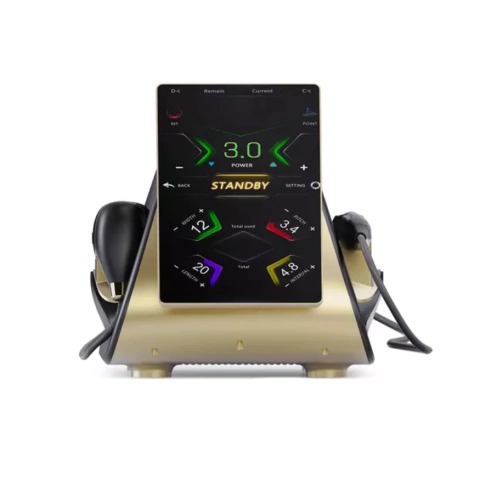
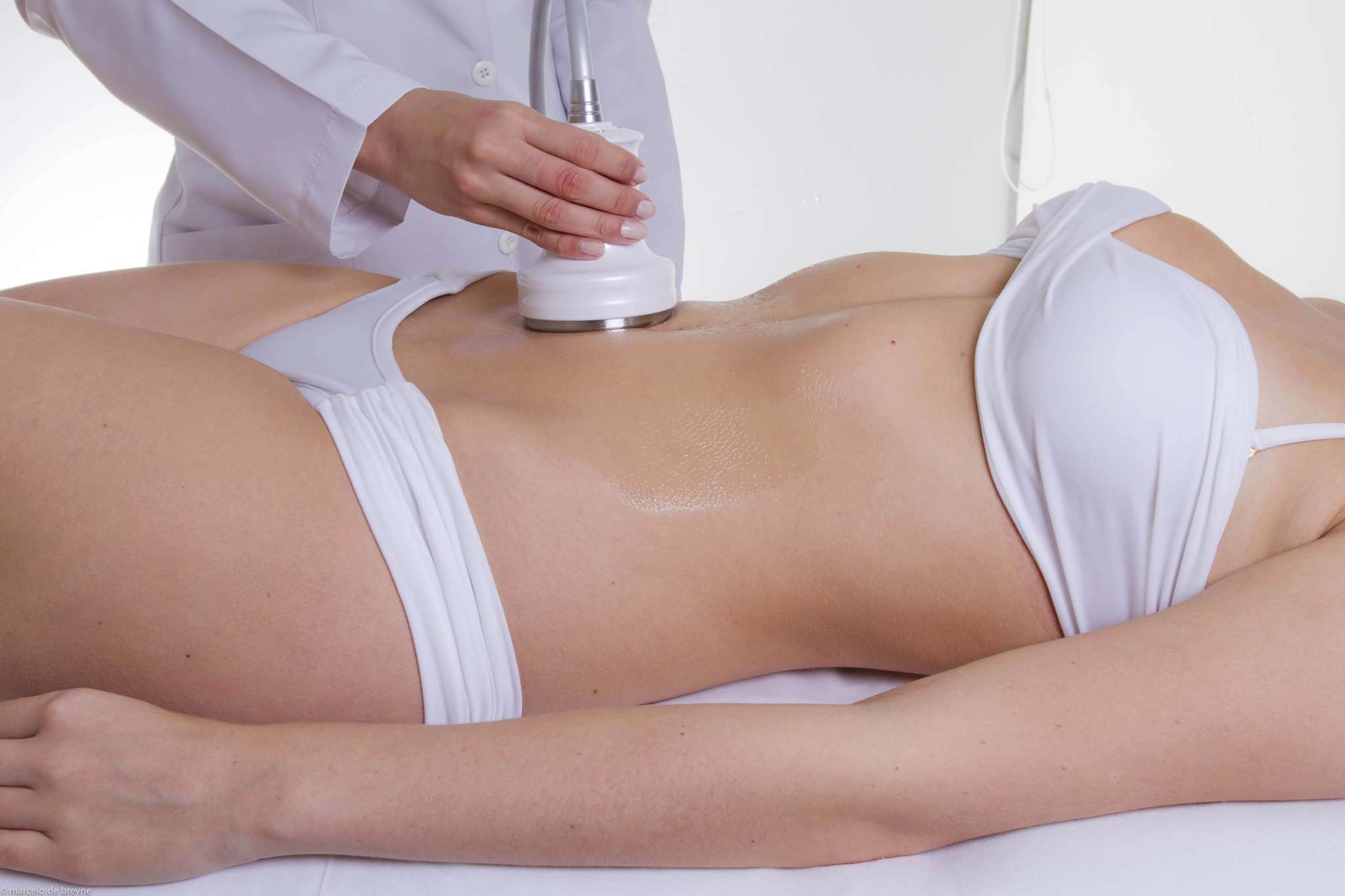
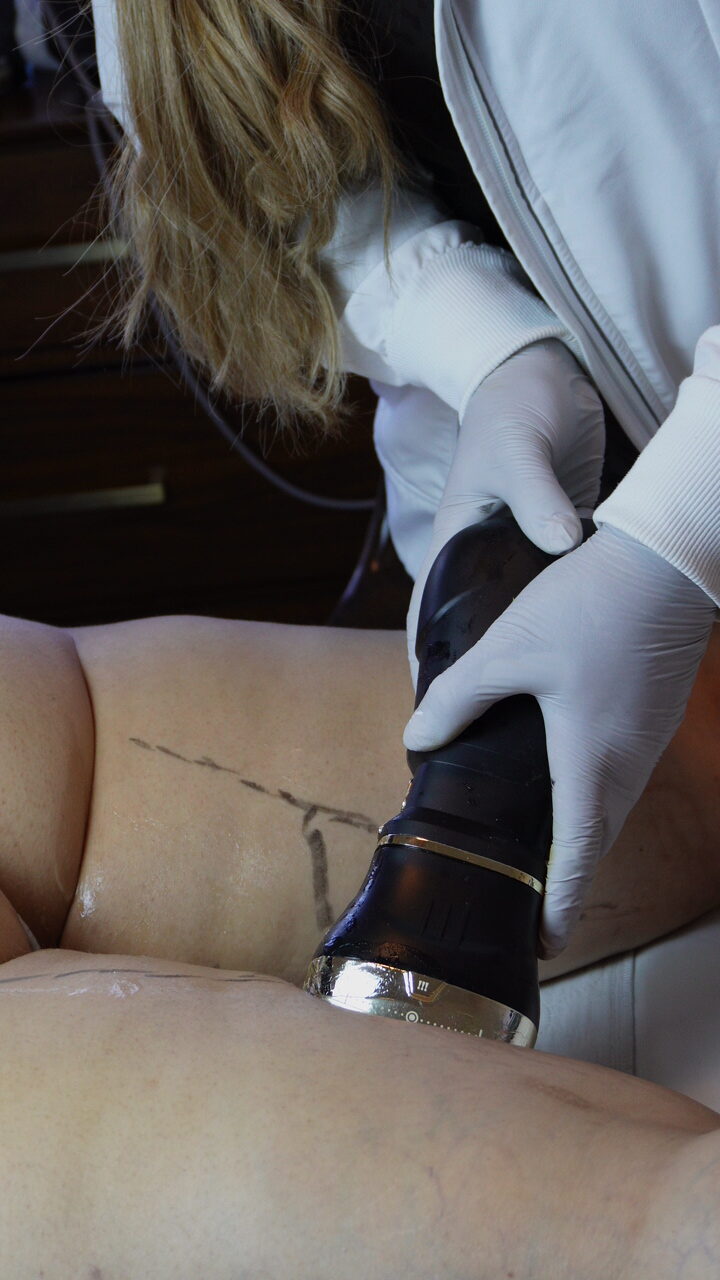
Initial treatments include gentle manual lymphatic drainage, therapies with specialized equipment
such as therapeutic ultrasound and low-frequency currents, which help drain accumulated fluids,
reduce inflammation and improve circulation without compromising the healing process.
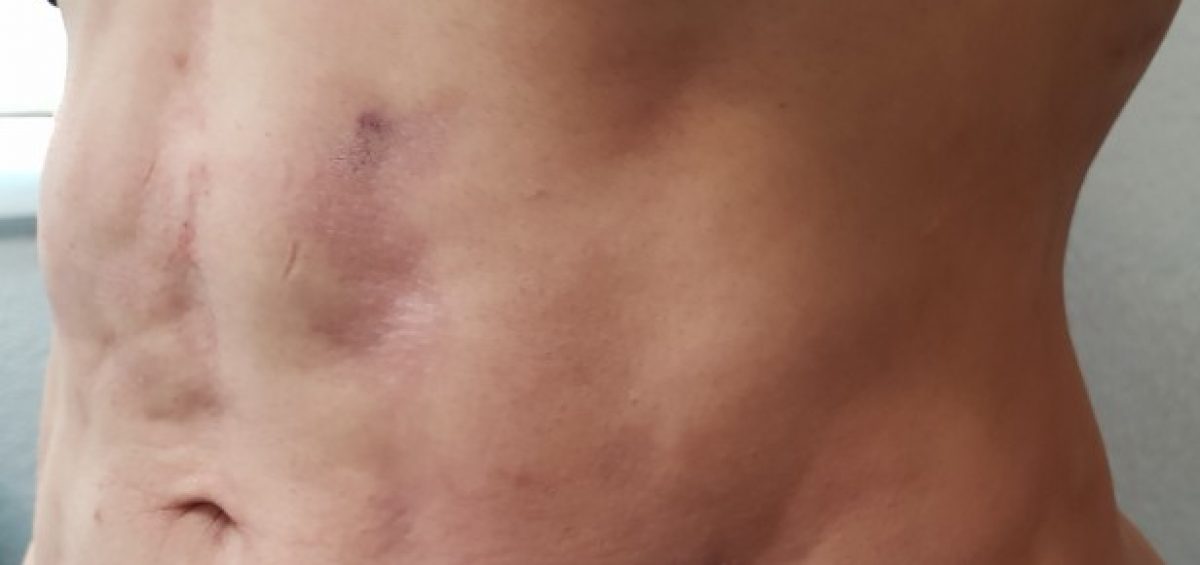
Reduces post-surgical inflammation and edema
Significantly decreases pain and discomfort
Accelerates bruise reabsorption
Prevents formation of adhesions and fibrosis
Frequently Asked Questions
Answers about rehabilitation in the early post-operative stages.
Generally it's recommended to wait 48-72 hours after surgery, always with your
surgeon's authorization. The exact time depends on the type of procedure. Some minor surgeries allow
starting earlier, while others more extensive require waiting a bit longer.
In the initial phase, it's recommended to attend 2-3 times per week during the first 4-6 weeks.
This frequency is crucial for controlling inflammation and preventing complications. Afterward, the
frequency can be reduced according to your progress and therapist's indications.
During the first weeks, you should only do light walking. Moderate exercise is generally
allowed after 4-6 weeks, and intense exercise after 8-12 weeks, always with
your surgeon's authorization. Rehabilitation helps prepare your body to safely resume
physical activity.
Late Post-Operative Rehabilitation: Complication Management
T
reatments directed at patients with prolonged recovery processes or alterations after
surgery, improving progress and final results. This phase addresses complications that may
arise weeks or months after the procedure, such as fibrosis, irregularities, persistent seromas
or suboptimal aesthetic results.
Some patients experience late complications requiring specialized attention. These may
include excessive tissue hardening, contour irregularities, deep adhesions, or
asymmetric results. Late treatments use more intensive and specific techniques, such as
deep manual therapies, radiofrequency, carboxytherapy and combined protocols to resolve these
complex situations.
Treats fibrosis and tissue hardening
Corrects irregularities and asymmetries
Improves problematic scars
Optimizes final aesthetic results
Frequently Asked Questions
Information about complication management and late recovery.
It's never too late. Although it's ideal to start early, many patients who begin treatment months
or even years after surgery achieve significant improvements. Fibrosis, irregularities
and scars can be treated at any time, although it may require more sessions than if they
had started earlier.
Excessive fibrosis, chronic seromas, adhesions, contour irregularities,
asymmetries, skin retraction, hypertrophic or keloid scars, and areas of poor-quality skin
can be treated. Each case is evaluated individually to design a specific treatment plan.
Late complications generally require more prolonged treatment. You can see initial improvements
in 4-6 weeks, but achieving optimal results may take 3-6 months or more, depending
on the severity of the problem. Consistency and adherence to the treatment plan is fundamental.
pecialized approach to treat tissue hardening caused by surgical processes,
helping to soften, drain and restore skin elasticity. Fibrosis is a normal
body response to surgery, but when excessive it can cause hardening, irregularities, pain
and affect the final aesthetic result.
Fibrosis treatment requires a multidisciplinary approach combining deep specialized massage,
therapeutic ultrasound, radiofrequency, endermology, and in severe cases, carboxytherapy.
These techniques help break down fibrous adhesions, improve circulation, and stimulate
connective tissue reorganization to achieve a smoother and more natural texture.
Softens hardening and fibrous nodules
Releases adhesions and improves tissue mobility
Restores skin elasticity and texture
Improves irregularities and body contour
Frequently Asked Questions
Everything about post-surgical fibrosis treatment.
Fibrosis manifests as hardened areas, palpable nodules, irregular texture, lack of
skin mobility, or zones that feel "tight" or rigid. It can also cause discomfort,
tightness or sensitivity. If you notice these symptoms after surgery, it's important to consult
with a dermatofunctional rehabilitation specialist.
With appropriate and consistent treatment, most cases of fibrosis can improve
significantly. Mild to moderate fibrosis generally responds very well. Severe
or old cases may require more time and sessions, but substantial improvements in texture,
softness and tissue mobility are achieved.
Treatment of established fibrosis can cause moderate discomfort because it requires deeper pressure
to break adhesions. However, it should be tolerable. The therapist adjusts the
intensity according to your tolerance. As fibrosis improves, sessions become less
uncomfortable.
Scar Elimination and Management: Specialized Treatment
T
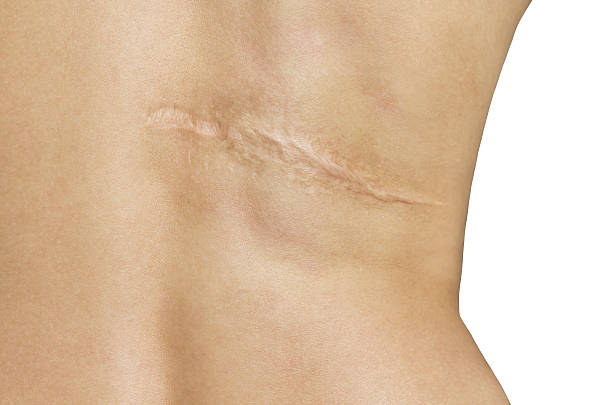
reatments focused on improving the appearance, texture and flexibility of abnormal scars,
reducing volume, coloration and associated discomfort. Hypertrophic scars and keloids
require specialized attention to prevent their growth and improve both their appearance and function.
Management of problematic scars combines multiple techniques: specialized scar massage,
fractional CO2 laser, microneedling radiofrequency, carboxytherapy, pressotherapy with
silicone sheets, and in some cases, specific infiltrations. Early scar treatment significantly
improves results, but even old scars can benefit from these
advanced protocols.
Reduces scar volume and elevation
Improves color and texture of scar tissue
Increases scar flexibility and mobility
Decreases itching, pain and discomfort
Frequently Asked Questions
Key information about treating hypertrophic scars and keloids.
Hypertrophic scars remain within the limits of the original wound, raised and
red, but may improve over time. Keloids grow beyond the original wound edges,
invading healthy skin, and rarely improve spontaneously. Keloids have a greater
tendency to recur and require more aggressive treatment.
Ideally, preventive care should begin as soon as stitches are removed (approximately 2 weeks
post surgery). However, scars months or years old can also be treated. Early
treatment prevents abnormal scarring, while late treatment seeks to remodel
already established scars.
A scar never disappears completely, but it can improve dramatically. The goal is
to achieve a flat, smooth, flexible scar the same color as surrounding skin, making it
as inconspicuous as possible. With proper treatment, many scars become almost imperceptible.
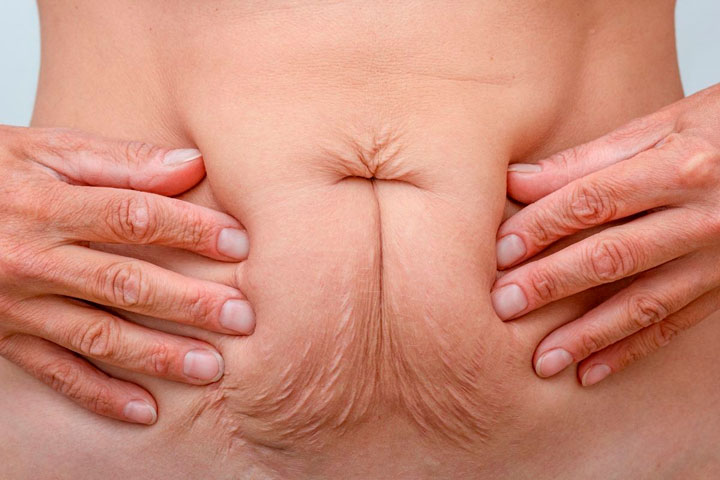
rocedures that help improve skin firmness after surgery, stimulating tissue
regeneration and optimizing aesthetic results. Although surgery removes excess
skin, the quality of remaining skin may need additional treatment to achieve desired firmness
and smoothness.
Post-surgical sagging treatment uses advanced technologies such as multipolar radiofrequency,
microfocused ultrasound (HIFU), carboxytherapy, platelet-rich plasma (PRP) biostimulation,
and LED light treatments. These therapies stimulate collagen and elastin production, improving
skin density, firmness and elasticity without additional invasive procedures.
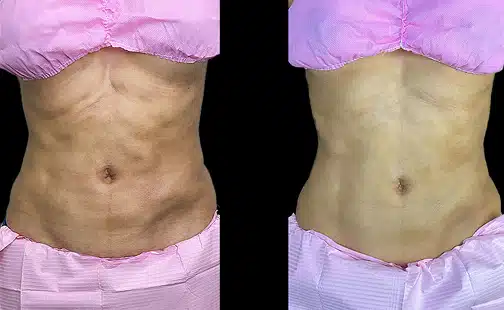
Improves skin firmness and tension
Stimulates collagen and elastin production
Improves skin texture and quality
Enhances and prolongs surgical results
Frequently Asked Questions
Answers about treating sagging after plastic surgery.
Surgery removes excess skin and tightens tissues, but the intrinsic quality of remaining skin
(elasticity, density, hydration) doesn't change with surgery. Factors such as age, genetics,
sun exposure and massive weight loss affect skin quality. Dermatofunctional treatments
improve these characteristics from within.
Gentle treatments like massages and LED can begin early. More intensive technologies like
radiofrequency or HIFU generally wait until 3-6 months post surgery, when internal healing
is complete. Your specialist will evaluate the optimal time according to your surgery type and
progress.
Firming treatments generally require series of 6-12 sessions for optimal results.
You'll see gradual improvements starting around session 3-4, with maximum results
2-3 months after completing the protocol. Periodic maintenance helps preserve
long-term benefits.
reatments designed to preserve and enhance long-term surgical results, helping
to sculpt, define and maintain skin quality. After completing initial recovery,
ongoing maintenance is key to preserving and optimizing results of your surgical investment.
Post-surgical maintenance programs include periodic sessions combining different
technologies according to your needs: lymphatic drainage for fluid retention control,
radiofrequency for firmness, modeling reducing massages, pressotherapy, and specialized
facial treatments. These protocols are personalized for each patient and evolve according to changes
in your body over time.
Preserves long-term surgical results
Maintains firmness and body contour
Prevents sagging and premature aging
Continuously improves skin texture and quality
Frequently Asked Questions
Information about long-term maintenance of surgical results.
Maintenance should begin once you complete your initial post-operative rehabilitation
(generally 3-6 months after surgery). Some people start earlier if their recovery
progresses quickly. Maintenance is a long-term commitment, similar to regular exercise
or dental care.
Frequency varies according to surgery type, your age, lifestyle and goals. Generally
1-2 monthly sessions are recommended for optimal maintenance. Some patients prefer more
frequent sessions before special events, while others maintain a more spaced program.
Surgical results remain, but the natural aging process continues. Without
maintenance, you may experience gradual loss of firmness, fluid accumulation, or changes
in skin texture more quickly. Maintenance is not mandatory, but helps prolong
and optimize your surgical investment.